Source Eco-Friendly Bamboo Kids Tableware for Lunch, Snacks, and Meals
Find 30 verified options for eco-friendly bamboo kids tableware suitable for daily meals, snacks, and school lunches. Compare specifications, materials, and customization services from multiple suppliers in China to find the best fit for your needs.
Key considerations
Products List


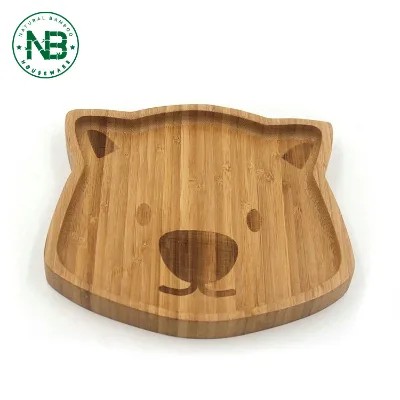


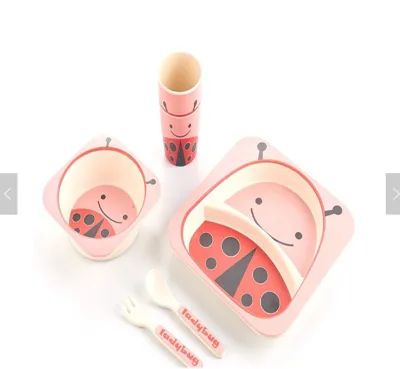
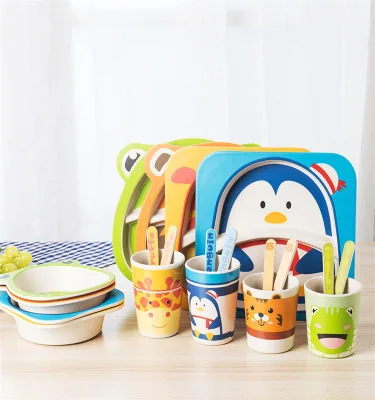
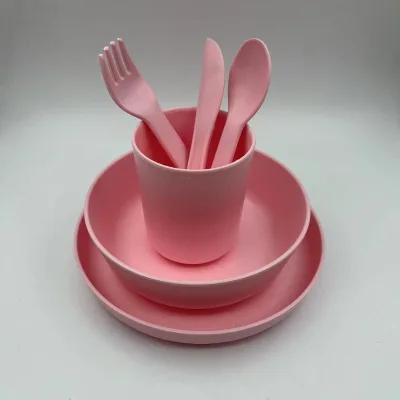


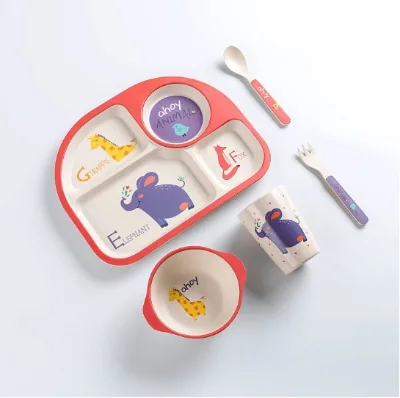
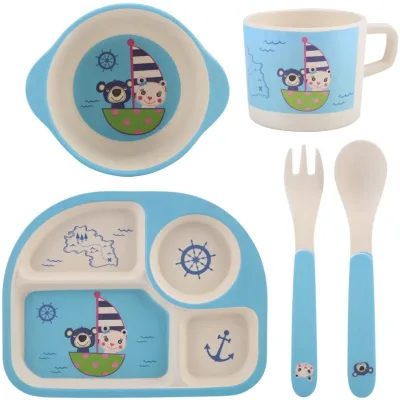
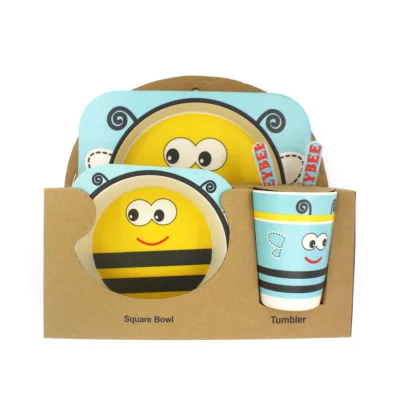


Comprehensive Sourcing Guide
Strategic Sourcing Guide for Eco-Friendly Bamboo Kids Tableware
Understanding Material Composition and Product Attributes
When sourcing eco-friendly bamboo kids tableware, the primary focus must be on verifying the specific material composition and physical attributes of the product. The market offers a variety of bamboo-based solutions, ranging from pure bamboo fiber composites to blends involving wooden elements. Buyers must distinguish between products labeled as "Bamboo Fiber" and those described as "Bamboo and Wooden." The former typically indicates a composite material where bamboo pulp is processed with binding agents to create durable, lightweight tableware, while the latter may involve solid wood components or a different structural blend.
A critical observation in the current supply landscape is the variation in product models and standard specifications. For instance, specific models such as PL0073 and MTS159 are associated with distinct dimensional standards, such as D15.5H4.5cm or 20.626.7cm. These dimensions are not universal; they define the specific utility of the item, whether it is a plate, a cup, or a component of a larger tableware set. Buyers should note that some listings specify sizes "as the figure shows" or "customization," indicating that standard dimensions may not apply to every SKU. The color profiles also vary, with options ranging from natural bamboo tones to specific hues like yellow or bicolor finishes. This variability requires that procurement specifications explicitly define the desired aesthetic and functional dimensions to avoid receiving mismatched inventory.
Furthermore, the distinction between disposable and reusable items is paramount. While some bamboo products are designed for single-use, the target category of eco-friendly kids tableware often leans heavily toward reusable solutions. Products marked as "Non-Disposable" with a service life extending up to 720 days (subject to specific conditions) represent a significant value proposition over single-use alternatives. However, buyers must verify the "Service Life" claims against their intended usage frequency, as degradation rates can vary based on cleaning methods and storage conditions. The material's ability to degrade is another nuanced point; while bamboo is often marketed as biodegradable, specific listings indicate that degradation may require specific conditions, and some products are noted as not degrading under standard disposal scenarios.
Technical Specifications and Performance Limits
The technical performance of bamboo kids tableware is defined by its thermal resistance, safety ratings, and structural integrity. Thermal resistance is a critical specification for items intended for hot or cold beverages and food. Data from the supply chain indicates a wide range of heat resistance capabilities, with some products rated for temperatures between -20ºC and 120ºC, while others are limited to a range of 0-90ºC. This variance suggests that not all bamboo tableware is suitable for microwave heating or boiling water. Buyers must rigorously match the product's heat resistance rating to the intended application, ensuring that a cup designed for cold drinks is not inadvertently purchased for serving hot soups or teas.
Safety is the non-negotiable standard for children's tableware. The supply data confirms that products in this category often carry "Food Grade" and "Very Safe" designations. These attributes imply compliance with strict hygiene standards, but the specific regulatory framework must be verified. The presence of certifications such as CE/EU, FDA, and LFGB is a strong indicator of safety compliance, particularly for markets in Europe and North America. However, the absence of these certifications in a listing does not automatically disqualify a product, but it necessitates a deeper inquiry into the manufacturer's internal quality control processes.
Structural specifications also include the packaging and physical form. Products are typically packed in carton packaging, paper boxes, or cardboard boxes, with some listings noting "Free" packing options which may refer to minimal or bulk packaging. The physical form factor is often defined by the model number, such as "PLA Tableware Set" or "bamboo fiber plates," which dictates the number of pieces included. Some sets are limited to five pieces or fewer, while others may be part of a larger universal packaging system. The "Pieces" attribute is a key differentiator for bulk buyers who need to calculate the total unit count for a complete set. Additionally, the "Reusable" attribute confirms that the product is designed for multiple cycles of use, which is essential for the long-term cost-effectiveness of the procurement.
Compliance, Certification, and Regulatory Verification
Navigating the regulatory landscape for bamboo tableware requires a meticulous approach to certification verification. The market data highlights several key certifications, including CE/EU, FDA, and LFGB. These certifications are not merely marketing terms; they represent adherence to specific safety and material standards. CE indicates conformity with health, safety, and environmental protection standards for products sold within the European Economic Area. FDA compliance is crucial for products entering the United States market, ensuring that the materials do not leach harmful substances into food. LFGB is the German Food and Feed Code, often considered a rigorous standard for food contact materials in Europe.
Buyers must understand that the presence of a standard like "PLA" (Polylactic Acid) in a product listing does not necessarily mean the product is made of bamboo. PLA is a bioplastic often derived from corn starch or sugarcane, and while it is eco-friendly, it is distinct from bamboo fiber. Some listings conflate these terms or offer PLA tableware sets alongside bamboo products. Therefore, procurement teams must verify the material composition explicitly. If the core keyword is "bamboo," the material specification must clearly state "Bamboo Fiber" or "Bamboo and Wooden" rather than PLA.
Furthermore, the "Standard" attribute in product listings can be ambiguous. Some entries list standards as "standard," "as the figure shows," or specific dimensions like "39030090mm." These are often internal or descriptive standards rather than international regulatory benchmarks. Buyers should not assume that a product labeled with a dimension standard meets international food safety regulations unless accompanied by the specific certifications mentioned above. The verification process should involve requesting third-party test reports that validate the food safety claims, particularly for heavy metals, formaldehyde, and melamine content, which are common concerns in composite tableware.
Cost Drivers and Pricing Dynamics
The pricing of eco-friendly bamboo kids tableware is influenced by a complex interplay of material costs, manufacturing complexity, and order volume. The observed price range in the market spans from $0.03 to $68 USD, a vast disparity that reflects the diversity of product types, from simple single-use cups to comprehensive tableware sets. The lower end of the spectrum likely corresponds to basic, single-piece items with minimal customization, while the higher end represents complex sets, premium materials, or products with extensive branding and packaging.
Minimum Order Quantity (MOQ) is a significant cost driver. The observed MOQ range extends from 2 to 100,000 units. Small MOQs, such as 20 units, allow for flexibility in testing new designs or fulfilling small-scale orders, but they often come with a higher unit cost due to the fixed costs of production setup. Conversely, high-volume orders can leverage economies of scale to reduce the per-unit price. However, buyers must be cautious of extremely low MOQs that might indicate a drop-shipping model or a lack of manufacturing control.
Customization is another major factor affecting cost. The supply data confirms that customization is available for many products, including color, size, and branding. Customized orders typically incur additional tooling fees and higher MOQs compared to standard stock items. The "Customized" attribute often implies a longer lead time and a more complex supply chain. Buyers should factor in these additional costs when budgeting for branded products. Additionally, the "Service Life" of the product can influence the total cost of ownership. A product with a 720-day service life may have a higher upfront cost but offers better value over time compared to a disposable alternative, provided the durability claims are accurate.
Supplier Evaluation and Geographic Considerations
Evaluating suppliers for bamboo tableware requires a focus on geographic origin and manufacturing capabilities. The supply data indicates that products originate from various regions in China, including Zhejiang, Fujian, and Anhui. Each of these regions has a specialized industrial ecosystem. Zhejiang is known for its diverse manufacturing base, often producing a wide range of plastic and composite goods. Fujian has a strong history in bamboo processing and woodworking, making it a likely hub for authentic bamboo fiber products. Anhui also contributes to the bamboo industry, particularly in the processing of bamboo pulp.
When selecting a supplier, buyers should verify the specific location mentioned in the product listing. A supplier claiming to be from Fujian but producing PLA products may be misleading, as PLA is typically processed in different facilities than solid bamboo. The "Location" attribute should be cross-referenced with the "Material Type" to ensure authenticity. Additionally, the "Service" attribute, which includes "Customizable" and "Customizetion," indicates the supplier's flexibility. Buyers should assess the supplier's ability to handle custom orders, including their responsiveness to design changes and their capacity for quality control during the customization process.
Supplier reliability is also gauged by their adherence to safety and standard protocols. A supplier that provides clear information on certifications (CE, FDA, LFGB) and material composition is generally more trustworthy. Buyers should avoid suppliers who are vague about their origins or who fail to provide documentation for their safety claims. The "Service Life" and "Reusable" attributes are also indicators of supplier confidence in their product quality. A supplier that guarantees a long service life is likely to have robust quality control measures in place.
Quality Control and Long-Term Procurement Strategy
Implementing a robust quality control (QC) strategy is essential for maintaining the integrity of eco-friendly bamboo kids tableware. Given the variability in heat resistance and material composition, buyers should establish clear acceptance criteria before production begins. This includes verifying the heat resistance range (e.g., ensuring the product can withstand the intended temperature range of 0-90ºC or -20-120ºC) and confirming the "Food Grade" status through independent testing.
Long-term procurement considerations involve building a relationship with suppliers who can consistently deliver high-quality products. The "Customization" and "Service" attributes suggest that many suppliers are open to long-term partnerships. Buyers should prioritize suppliers who offer consistent quality across batches and who can scale production as demand grows. The "Packing" specifications, such as "Carton Packaging" or "Paper Boxes," should also be standardized to ensure that the product arrives in good condition and meets sustainability goals.
Finally, buyers should monitor the "Will It Degrade" attribute closely. While bamboo is often marketed as biodegradable, the supply data notes that degradation may require specific conditions. This distinction is crucial for end-of-life planning and sustainability reporting. Buyers should ensure that their suppliers provide clear guidance on the disposal and recycling of the products, aligning with corporate sustainability goals. By focusing on these technical and operational details, buyers can secure a reliable supply of high-quality, eco-friendly bamboo kids tableware that meets both safety standards and market demands.
FAQs
What certifications do eco-friendly bamboo kids tableware products have?
Many products carry CE/EU, FDA, and LFGB certifications to ensure safety. These standards verify compliance with food contact regulations for European and North American markets, though specific listings must be checked for individual certification status.
Can these bamboo tableware items be reused for long periods?
Yes, the products are reusable with a service life up to 720 days depending on specific conditions. This durability makes them a cost-effective alternative to disposable cups and plates for daily use in households and schools.
How does the heat resistance vary across different models?
Heat resistance ranges from 0-90ºC to -20-120ºC depending on the specific product model. Buyers must verify the exact rating to ensure suitability for hot beverages or microwave use versus cold drinks and storage.
Which suppliers offer customization for bamboo fiber plates?
Customization is available for color, size, and branding on many bamboo fiber plate models. Suppliers in regions like Zhejiang, Fujian, and Anhui provide these services, though specific MOQs and lead times vary by vendor and order volume.
What is the typical minimum order quantity for these items?
The minimum order quantity ranges from 2 to 100,000 units depending on the supplier and product type. Lower MOQs like 20 units allow for testing new designs, while bulk orders leverage economies of scale for reduced pricing.
Are these products made from pure bamboo or composite materials?
Materials include bamboo fiber composites and blends labeled as bamboo and wooden. Some listings also mention PLA, which is a bioplastic distinct from bamboo, so buyers must verify the specific material composition before purchasing.